
2025
Annual
Report
A Century of Hope:
Our Iconic Hartford Campus Turns 100
A Message from our Board Chair and President & CEO
Dear Friends,
All non-profit organizations are required to produce an annual report detailing their financial performance, operational successes and management structure. While this annual report checks all those boxes, we strive to do much more. Our goal is to help you feel the impact The Village’s programs have on our clients. When you hear their stories, you understand why we do this work and why our partners are so dedicated to our mission.
Read more less
We set ambitious goals and hold each other accountable because the stakes are so high. Last fiscal year, The Village helped more than 20,000 families break cycles of trauma and pain. A once neglected child felt loved by a Village foster parent. A scared teenager found peace at our Urgent Crisis Center. An overwhelmed single mother discovered her resilience through our outpatient therapy program and Financial Opportunity Center®.
None of this happens without you: our donors, ambassadors, auxilians, government partners and friends. The Village’s deep connection with the community goes back more than 200 years. In fact, our iconic campus on Albany Avenue in Hartford reached a milestone in 2025, celebrating 100 years of serving as a haven for children. In March, we welcomed families back for an emotional reunion, with some adoptees returning for the first time in decades. The Village story cannot fully be told without their stories—and yours.
Your support helps to make us better—and ensures that together we can keep building a community of strong, healthy families who protect and nurture children.

Curt Cameron, Board Chair

Hector Glynn, President & CEO


For a century, 1680 Albany Avenue in Hartford has been more than just an address—it’s been a lifeline. Since 1925, The Village campus has stood as a cornerstone for families in need across Greater Hartford, continually transforming to meet the most urgent needs of each generation.
The Albany Avenue campus opened on land generously donated by Reverend Francis Goodwin, just as the Great Depression was looming. Originally established as an orphanage, it quickly grew into a sanctuary for women and children—including those awaiting adoption or placement in foster care.


Arranged in a neighborhood of brick cottages and set within a sprawling 32 acres, the campus embodies a spirit of community and a mantra that The Village has been living by for more than 200 years: it takes a village to raise a child.
Reverend Goodwin’s gift became a beacon of hope for children in crisis—a place of safety and healing, especially during the most turbulent times in history.
Thanks to a suggestion from board member Jeanmarie Cooper, whose husband Colin was adopted through The Village, we launched a campaign to reconnect with those whose lives had been touched by the campus. We invited families to return to campus for the first time in decades, and they brought with them powerful memories and heartfelt reflections on how The Village helped shape their lives. These are their stories.
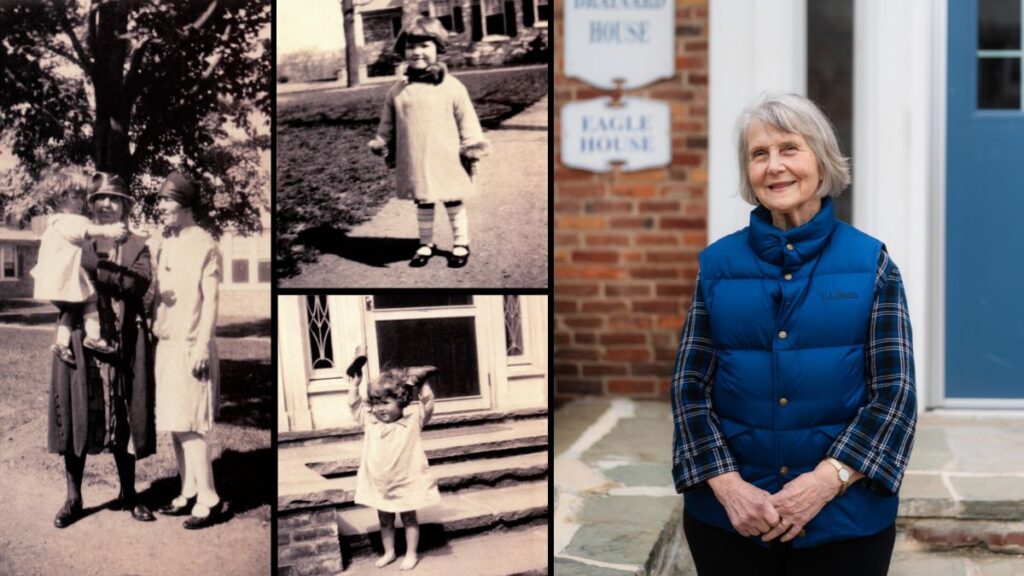
Susan’s Story (1920s)
Soon after the campus opened in 1925, The Village played a crucial role for Susan Ratzan’s family, long before Susan was even born.
Susan’s grandmother was a very resourceful woman, but being a single mother of two in 1926 was no easy task. She sought help from The Village that provided the support she needed to gain stability and ensure her daughters—Susan’s mother and aunt—had a happy and healthy childhood.


“I’m very appreciative of The Village supporting my grandmother as a single parent and getting my mother and her younger sister off to a good start,” shared Susan.
There are hundreds of families like Susan’s. The Village continued to welcome children who were orphaned during World War II, providing safety and shelter while helping to find them foster homes.
By the 1950s, The Village had built a reputation as a place where mothers could go to connect with services or have their baby adopted. Couples who wanted to adopt a baby also visited The Village’s campus.
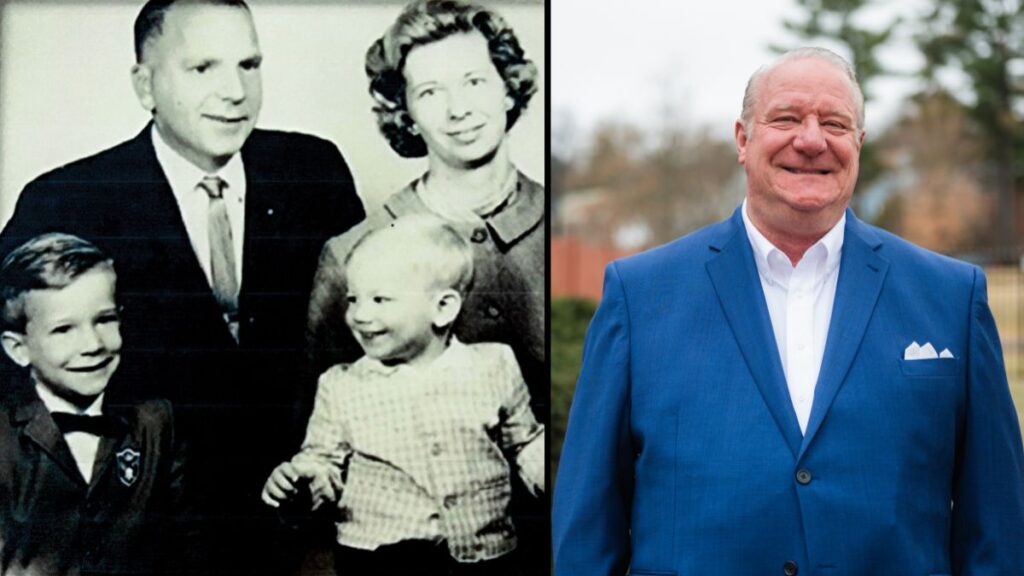
Scott’s Story (1960)
Scott knew he had been adopted from a young age. When he reached out to The Village to find out more about his early life, he learned about the challenges he went through as an infant and the extent to which his journey into foster care saved his life. He also learned about how his birth mother made the difficult choice of having Scott be adopted by a family who could provide the care he needed.
“I’m so appreciative that I was put up for adoption and blessed to have parents who cared for me.”
– Scott Tibbo, Village adoptee

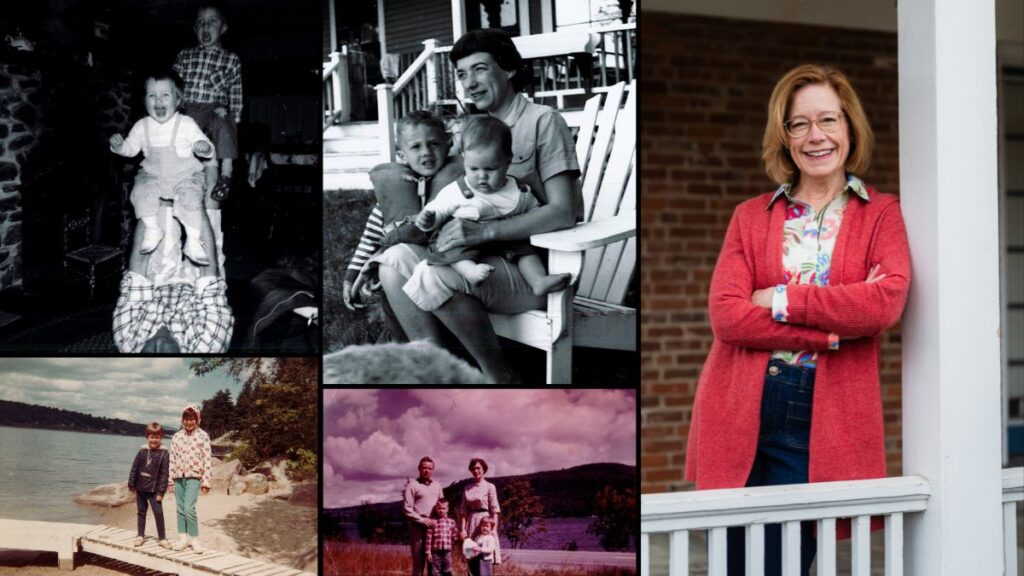
Janet’s Story (1961)
When Janet was a baby, her biological mother sought support from The Village with the hope of being able to keep Janet. She was a single mother in the 1960s who was doing her best to make it work. Ultimately, she made the difficult decision to give Janet up for adoption—a choice that led Janet to her family and “a wonderful life.”
During our reunion for adoptees and adoptive parents, Scott and Janet recognized one another as friends from high school. Until then, neither of them realized that they were adopted from the same place only a year apart.
“The Village has given me a wonderful life and a great foundation.”
– Janet Porriello, Village adoptee


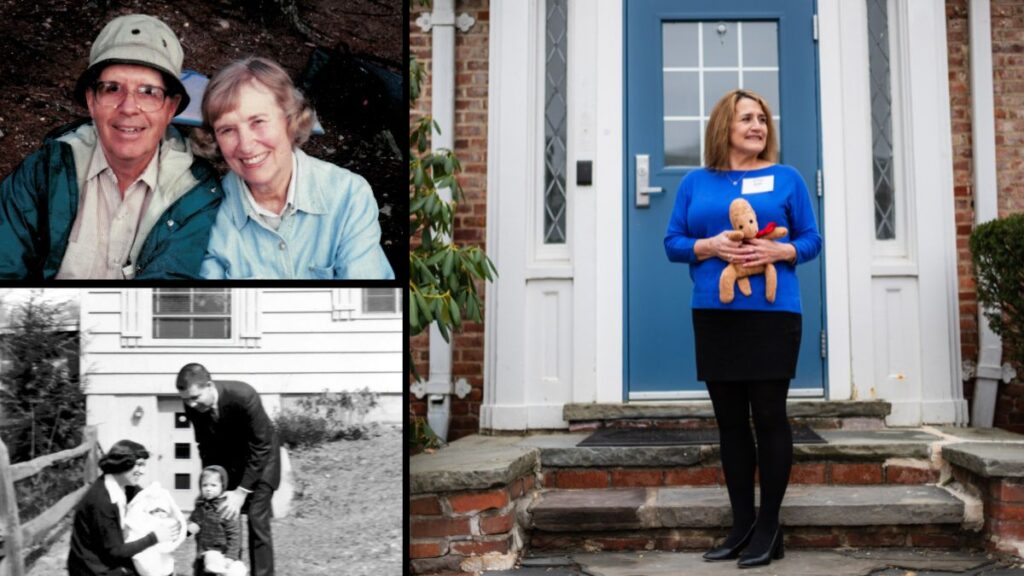
Heidi’s Story (1964)
Heidi was the second child her parents adopted from
The Village. When she came home to her new family, her father gave her Bunky, a stuffed monkey that has been with her for 61 years and serves as a memento of her parents’ love for her.
Heidi’s connection to The Village runs deep. Today, she also volunteers to support The Village in multiple capacities, including volunteering through her role at KPMG and as an Auxilian with The Village’s Glastonbury Second Chance Shop, where she helps raise funds to support The Village by selling new and gently used clothing and housewares that have been donated.
“The Village has given me a wonderful life, and I will always be grateful to them and to my parents,” shared Heidi.


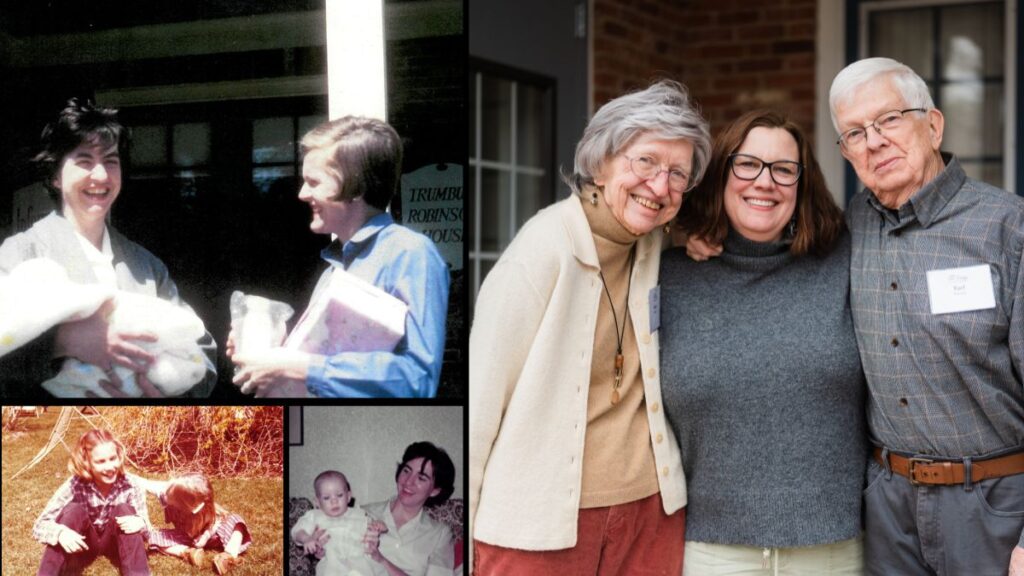
Sarah & Nancy’s Story (1968)
Nancy and her husband did not think that they could have children of their own, but they were ready to welcome a baby into their family. They contacted The Village to explore adoption. During the process, Nancy attended a talk about adoption at The Village, where she met a doctor who was leading a discussion—accompanied by baby Sarah, whose endearing curiosity and intelligence was evident even when she was small. Nancy and her husband went on to adopt Sarah, providing her with a loving home that nurtured her curiosity and helped her become who she is today.
By the early 1980s other children’s agencies had started merging with Child and Family Services—the organization now called The Village. The State’s Department of Children and Families also became an important partner. The Village had established itself as Central Connecticut’s leading child-welfare agency.
“The Village has given me my family. I had a great childhood and a solid foundation for life.”
– Sarah Arunski, Village adoptee


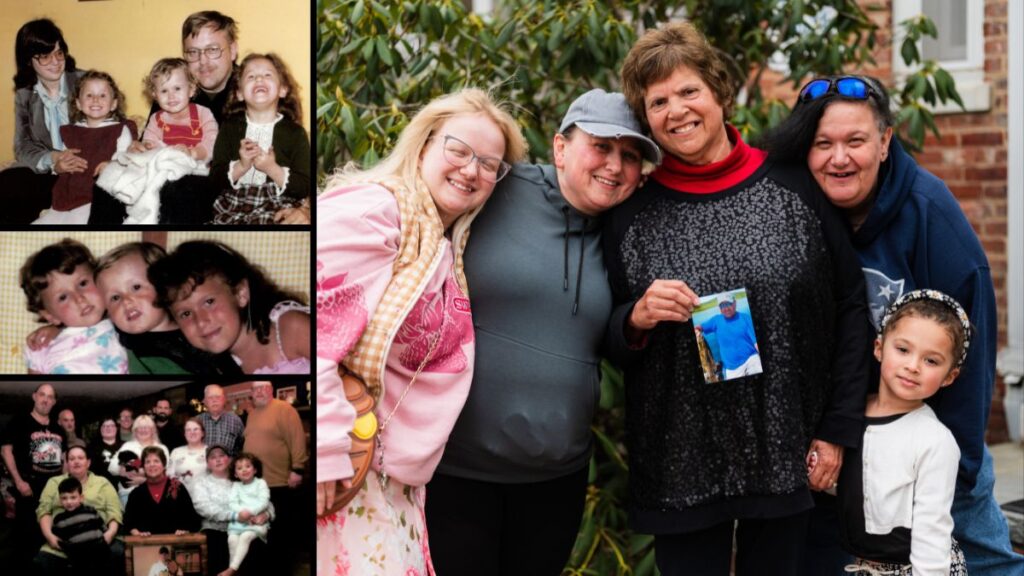
Camille’s Story (1980s)
Camille and her husband wanted to start a family and decided their path would be through adoption.
Camille remembers the day she received the phone call about children who needed a home. Not one, not two, but three.
“I thought ‘Wowie, we are lucky,’” Camille said. She and her husband decided that the arrangement was perfect—they adopted Heidi, Caroline and Bobby and became a family.
Camille and her husband’s role as adoptive parents made a significant impact in many ways, including inspiring her daughter Caroline to do the same. After Caroline’s two biological children reached adulthood, she opened her home and adopted two young children and is now fostering a baby.
“The story of our family goes on and on. We’re just thrilled.”
– Camille Wesneski, Village client


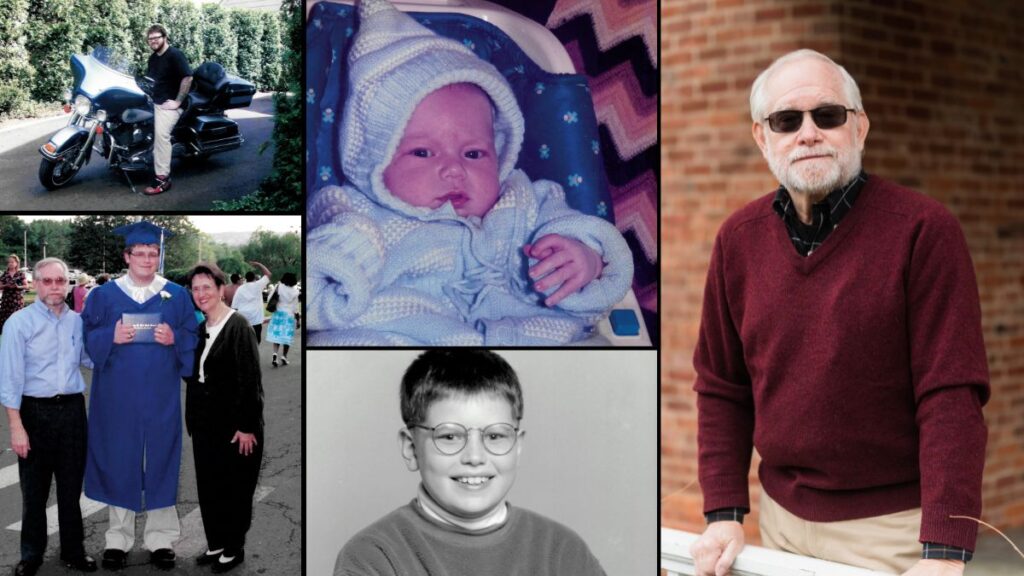
John’s Story (1987)
John and his wife had been thinking about adoption. When they attended a meeting at The Village to learn more about the process, they were told that there would soon be some infant children who needed a home. They did not have children of their own, and the opportunity to start “at the beginning” felt right. They knew they had made the perfect choice from the first time they held James. Today, John says that his son has grown into a wonderful man who is very loving and intelligent.
“We met James for the first time when he was nine days old. They said he’d been fussy, but when they handed James to me, he was suddenly relaxed. We knew it was meant to be.”
– John Rhine, Village client


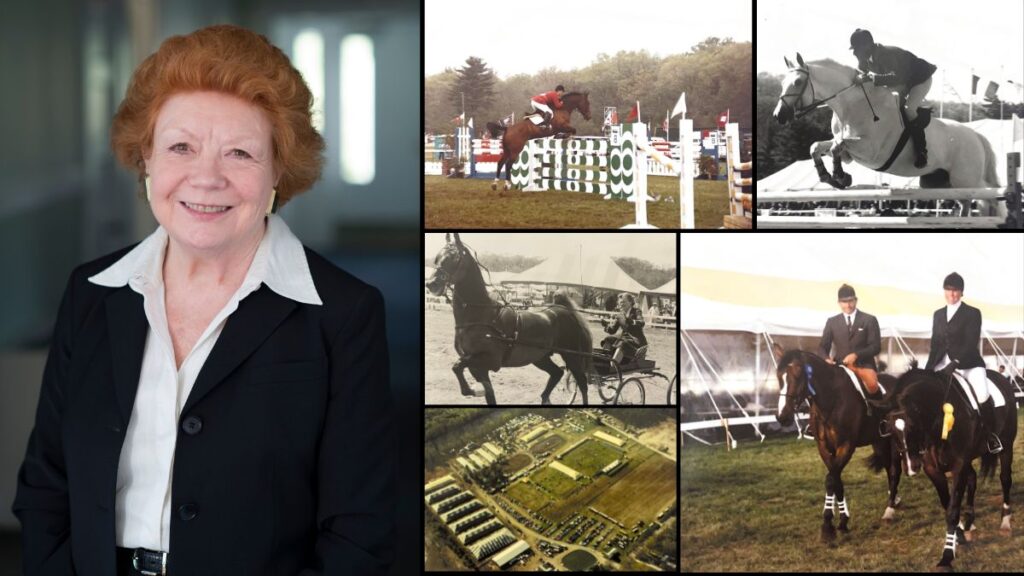
Vourn’s Story (1990s)
While The Village was long known for its adoption services, it also expanded into broader support programs. Over the course of 35 years as a staff member, Vourn Vigneault witnessed this evolution firsthand—marked by continuous expansion in services, significant growth in its workforce, and a wider community presence thanks to new buildings and properties, which Vourn oversaw as Director of Facilities.
Vourn’s journey with The Village began unexpectedly—through the Children’s Services Horse Show in Farmington, which served as both a fundraiser for the organization and a qualifying event for the Olympics until the early ‘90s. What started as a six-month temporary role evolved into a distinguished career and multiple leadership positions, including Vice President of Administrative Services and Director of Human Resources.
When Vourn was first hired, The Village had 200 employees. Today, that number has tripled, with more than 600 dedicated staff members—including clinicians, social workers, psychiatrists, teachers, nurses and administrative professionals—all working together to support children and families across Greater Hartford.
Vourn retired from The Village after 35 years of distinguished service, leaving a profound and lasting impact through her dedication and excellence. Her passing in 2025 was deeply felt across the organization by all who had the honor of working with her. While The Village mourns her loss, staff take comfort in knowing that her legacy endures through the standards she established to keep our sites safe, supportive and therapeutic for children to heal now and in decades to come.


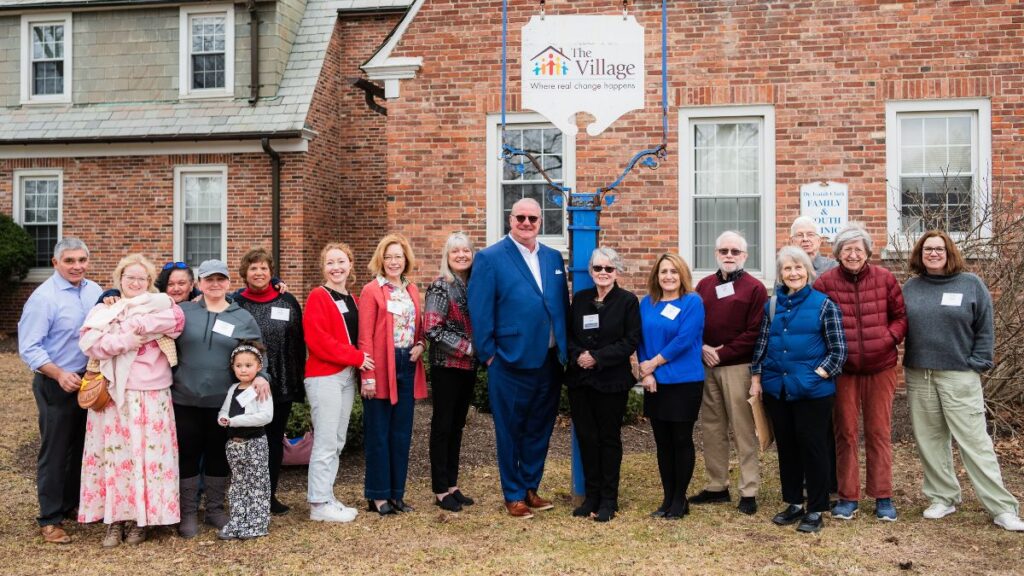
A Reason to Celebrate!
Village adoptees and adoptive parents returned to The Village’s 1680 Albany Avenue campus for the first time in decades at a special reunion event in 2025. They shared powerful stories about how their adoption changed their families’ lives for the better and saw how the campus has evolved to meet the needs of the community.
The Village Today
These are just a few of the countless stories from people whose lives have been forever changed by The Village.
As the needs of our community have grown and evolved, so too has The Village’s role. What began as an orphanage is now one of Connecticut’s largest nonprofit behavioral health and social service organizations—a trusted resource for children and families navigating trauma, mental health challenges and life’s most difficult moments.
The 1680 Albany Avenue campus has transformed into a one-of-a-kind, home-like youth psychiatric treatment facility. Today, it houses a range of life-changing programs, including one of the state’s new walk-in youth mental health Urgent Crisis Centers (UCCs), a children’s outpatient clinic, Eagle House—a psychiatric residential treatment facility—and an on-site school that helps children living at Eagle House learn, grow and thrive.
Hearing stories from people going back to the 1920s is amazing. It really emphasizes the duty in maintaining the legacy of an amazing organization that has stepped up to make a difference in the community.
–Hector Glynn, Village President & CEO
We continually work to ensure our buildings and recreational spaces offer the safest and most nurturing environment possible for every child who spends time on campus as they heal from trauma—whether it’s for a few hours each day after school or 24/7 for six months.
While the challenges facing children and families have changed over the decades, The Village’s mission has remained unwavering: to build a community of strong, healthy families who protect and nurture children. And as we look ahead to the next 100 years, that commitment is stronger than ever.
MILESTONES OF OUR HISTORIC CAMPUS
The Village’s rural campus took shape at 1680 Albany Avenue as an orphanage.
1925
The Village began providing a day care service to help working mothers.
1956
The Village began finding foster families for youth and created an on-campus therapeutic program for kids needing extra support before foster care. Soon after, The Village’s focus expanded to address systemic poverty.
1960
The historic cottages on campus were refurbished and The Village’s services expanded to provide a safe home for children temporarily removed from their homes.
1999
The Village opened Hartford’s first-ever youth mental health Urgent Crisis Center.
2023
The campus now functions as a psychiatric residential and outpatient treatment facility to help children and teens heal from trauma and overcome mental health challenges.
Today
The Next 100 Years:
Time for a transformation
The Challenge
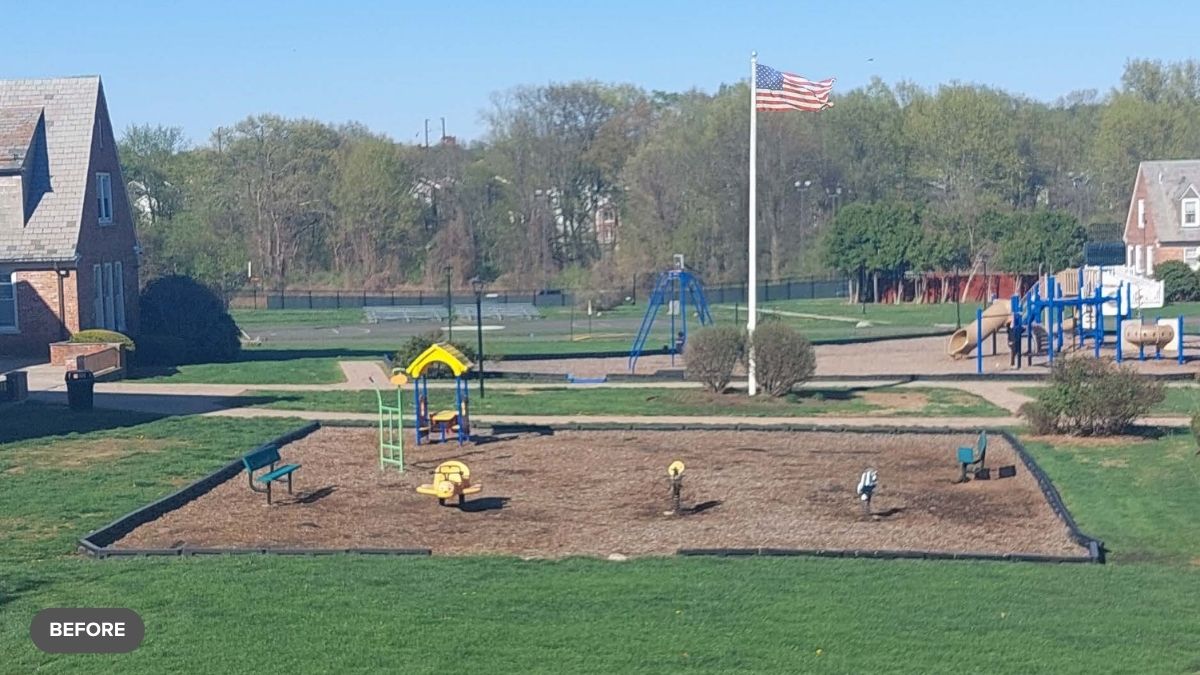
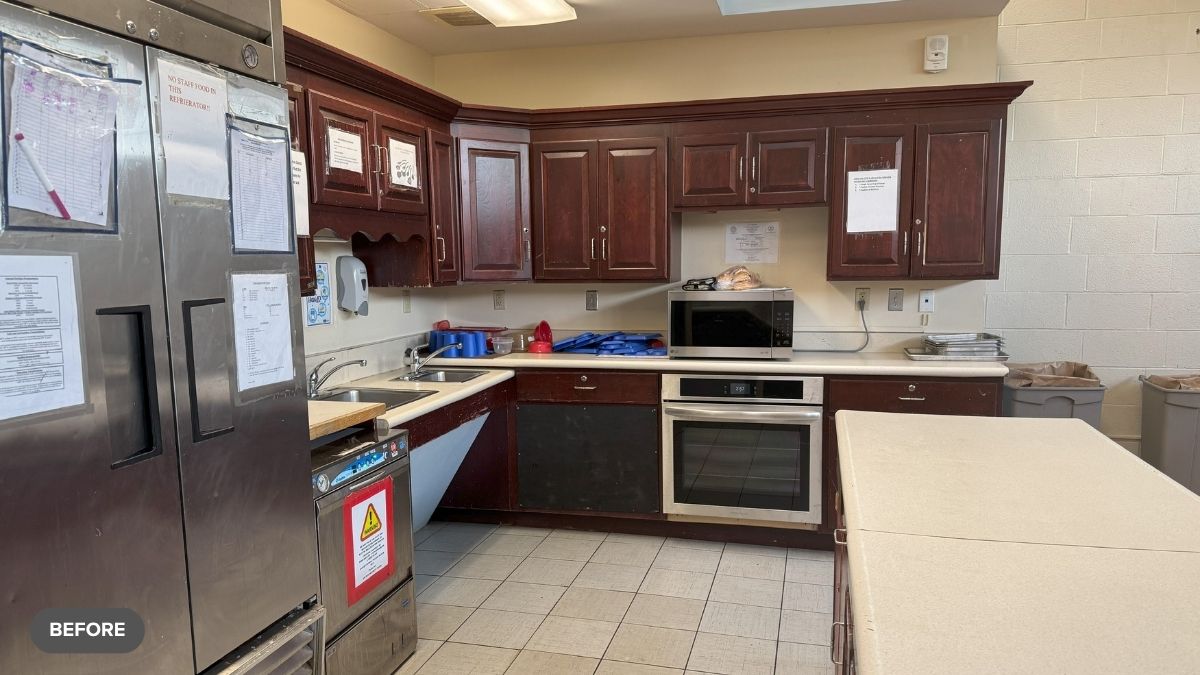
The campus largely looks the same today as it did in 1925. Space is abundant, but there are currently limited opportunities for structured play and recreation. Play is crucial for children who have experienced trauma as it serves as a therapeutic tool that can aid in their emotional and psychological healing. Residential and school buildings have not been updated in decades.
The Opportunity
The new fence surrounding the campus was the first step in creating a safer space for children that can be transformed into a versatile, recreational area. The transformed campus, upgraded residential facility and school will play a key role in the healing process, offering children a pathway to navigate and overcome challenges while rediscovering joy and creativity in their lives.
The Details
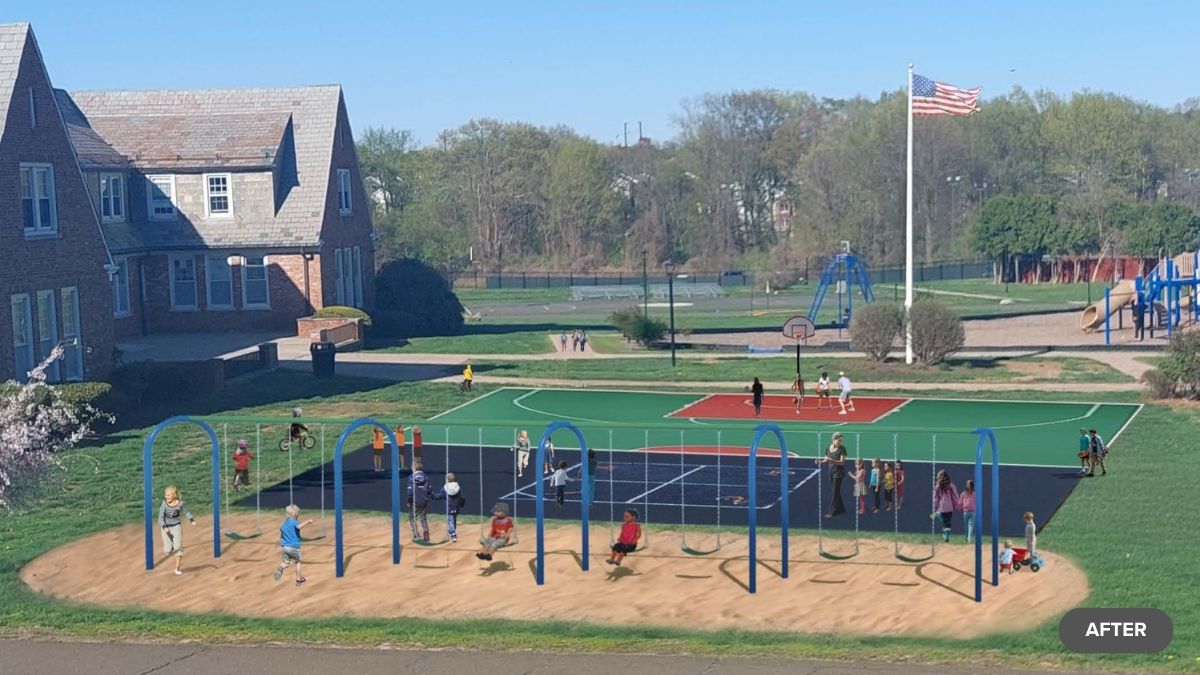
Our goal is to create more opportunities for structured play, togetherness, outdoor gatherings and socializing, as well as enhance the living quarters and school.
Read more less
These additions and improvements will:
- Allow the recreational offerings to expand to meet the needs of more youth and families.
- Be a catalyst to introduce new activities that can turn into healthy, life-long interests that aid in children’s continued recovery.
- Open the campus to be used concurrently by multiple groups.
- Allow for a new creative intervention curriculum to be implemented across many disciplines—family therapy sessions can include more play, family and sibling visits could mirror a more realistic setting and creative groups like art, theater, yoga and dance can be added.
- Provide a safe, healing environment through therapeutic interior design and upgraded
safety features.
Will You Help?
This critical campus transformation includes:
New recreational space
New fencing
Renovation of residential buildings and
the school
Total cost: $3.4 million. The Village is working to pay for this campus transformation through grant funding and corporate and individual donors.

The Village is central to the state’s effort to address its mental health crisis. With its ability to help children with varying levels of acuity and needs (walk-in, outpatient, short and long-term residential mental health treatment), there is no other place of its kind in Connecticut.
Help us meet our goal. Plus, learn about exciting naming opportunities:
The Village Program Directory
The Village serves approximately 20,000 children, teens and adults each year.
Many of The Village’s programs are opened to the public; others are accessed by referrals. All programs accept clients regardless of their ability to pay.

Shanbrelle’s Story
Facing the threat of losing her home, Shanbrelle found hope and stability through The Village. The array of support she received helped her keep her house, provide for her children, and stand on her own two feet once again.
Whatever you’re going through, you’re going to make it. I thought that in my situation, I was not going to make it, until I got help from The Village. Now I can say to myself that I’m going to be just fine.
- Shanbrelle, Village Client
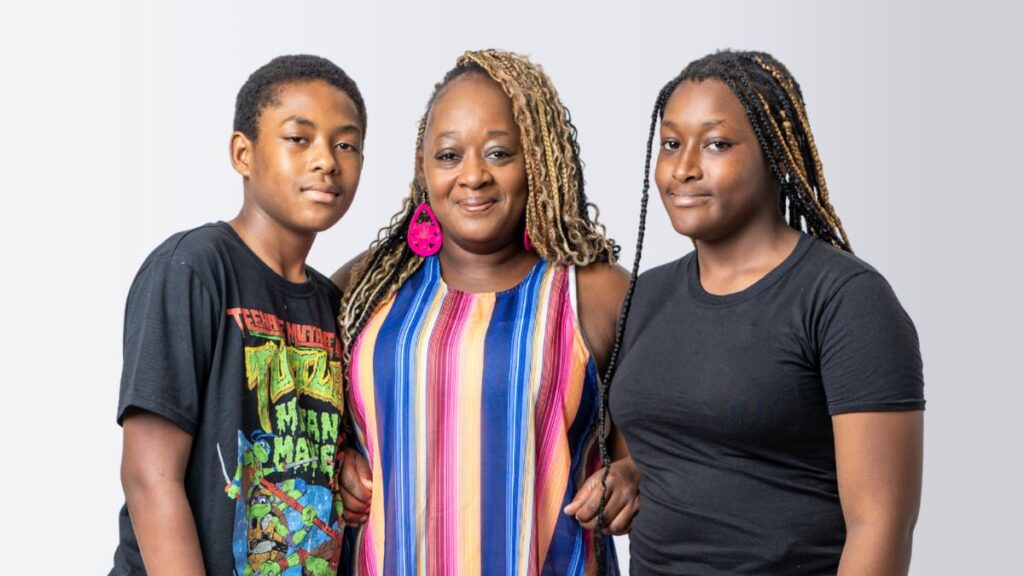
Annie’s Story
After the tragic loss of her children’s father, Annie faced unimaginable challenges—including homelessness and the emotional toll of grief. But with the support of The Village, she found the strength to rebuild. Today, Annie and her family have a home, stability and hope. “If it wasn’t for The Village,” she says, “I don’t think I would have pushed myself harder. I’m here now because of them.”
I know that The Village is there for my family, and it’s a great feeling. It makes us feel loved, like we can overcome anything. I’m here now because of The Village.
- Annie, Village client
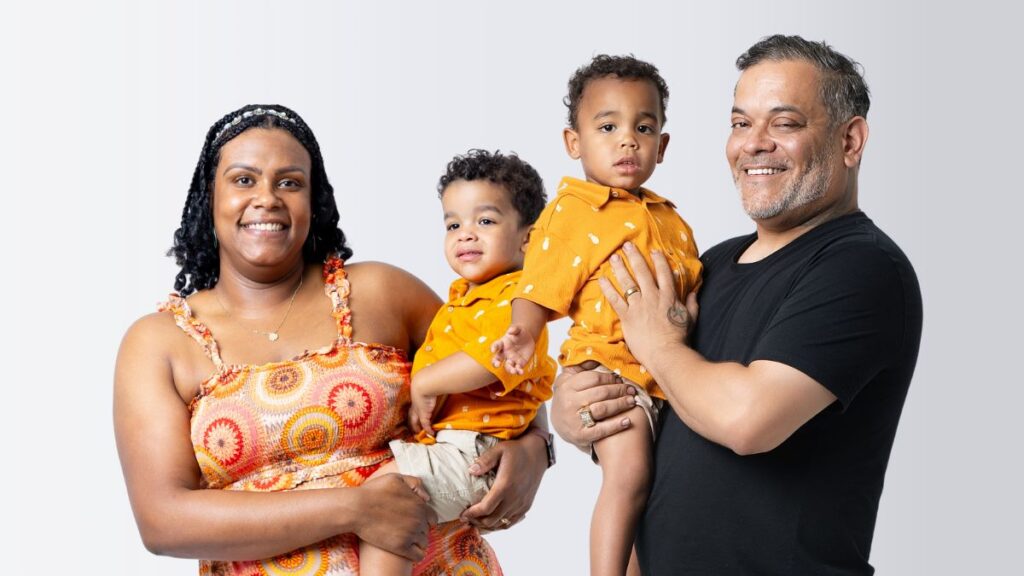
Christina & George’s Story
Christina and George found strength in The Village during their parenting journey. From practical support, like diapers and food, to emotional support, like guidance and understanding, The Village helped their family grow together and navigate both the challenges and the joys of raising children.
All mothers, fathers and families need a village, and we're not all lucky enough to have one. The Village gave us emotional, physical and practical support, plus extra resources to help us out.
- Christina, Village Client
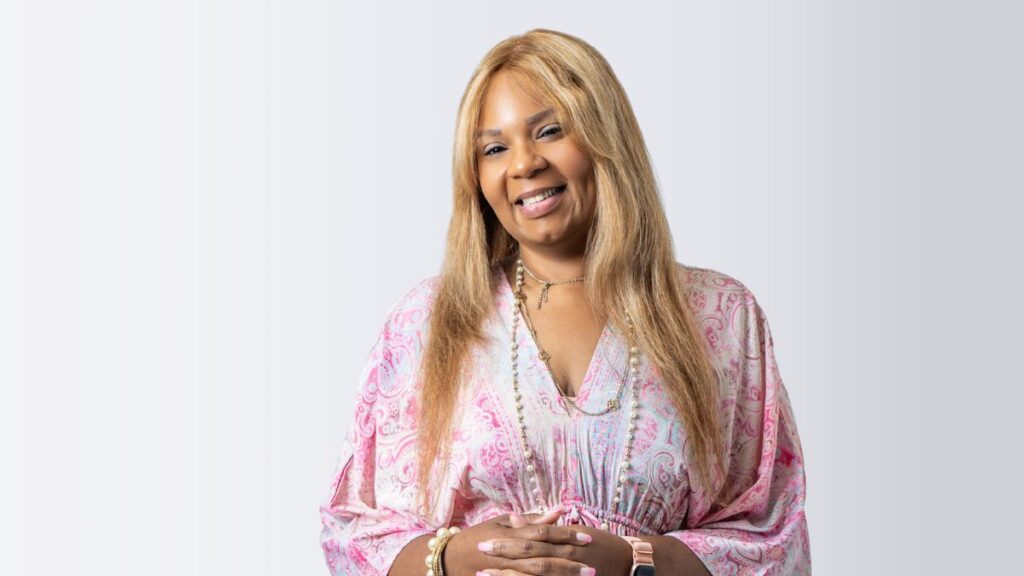
Raye’s Story
After suffering a stroke and being unable to work, Raye struggled with financial stress and uncertainty. A chance radio ad led her to The Village’s Volunteer Income Tax Assistance (VITA) program, where she found not only practical help but emotional relief. Today, she’s no longer overwhelmed by stress from the changes in her financial situation because she knows she’s not alone. In fact, she can’t wait to do her taxes with VITA again.
When I had a stroke and found out I couldn't work anymore, I went from being a therapist to needing therapy. The last thing on my mind was taxes. Getting help from VITA helped me feel so much better.
- RAYE, VILLAGE CLIENT
Client Satisfaction
Client feedback and input is key to our ability to provide quality, effective services. While we are always looking for ways to improve, we are pleased with the results of this year’s surveys. Here’s a sample of client feedback from our more than 40 programs at The Village.
Outcomes
Our impact can be found in the thousands of children, adults and families who have overcome enormous challenges to achieve real and meaningful change in their lives with help from the treatment, services and advocacy of The Village.
Our wraparound approach includes individual and family counseling, group home, residential and outpatient treatment, school-based support programs and in-home family strengthening. Our goal each day is to do whatever it takes to improve the health, well-being and success of children, adults and families.
Thank you, Donors!
July 1, 2024—June 30, 2025

The Second Chance Shops
The Second Chance Shops—thrift boutiques located in Glastonbury, Simsbury, Suffield and West Hartford—are staffed and managed by a committee of more than 400 Auxiliary volunteers.
Their hard work raised a combined $750,000 in the 2025 fiscal year, which directly supports programs at The Village. This record-breaking contribution makes a significant difference for children and families across Greater Hartford.
Pictured: (L-R): Michelle Susza, West Hartford Auxiliary; Eileen Landi, Simsbury Auxiliary; Cathy Daly, Glastonbury Auxiliary Chair; Sharon Sheridan, Suffield Auxiliary Co-Shop Manager
Glastonbury
Cathy Daly, Chair
JoAnn Adams, Shop Manager
Simsbury
Jennifer Herbek, Co-Chair
Julie Zehren, Co-Chair
Suffield
Ellen Peterson, President
Margo Burns, Co-Shop Manager
Sharon Sheridan, Co-Shop Manager
West Hartford
Jill Scully, Chair
Barbara Laurain, Auxiliary Liaison to the Board


A Peek Inside the Shops


354 shoppers made an impact by rounding up their purchase at the register!
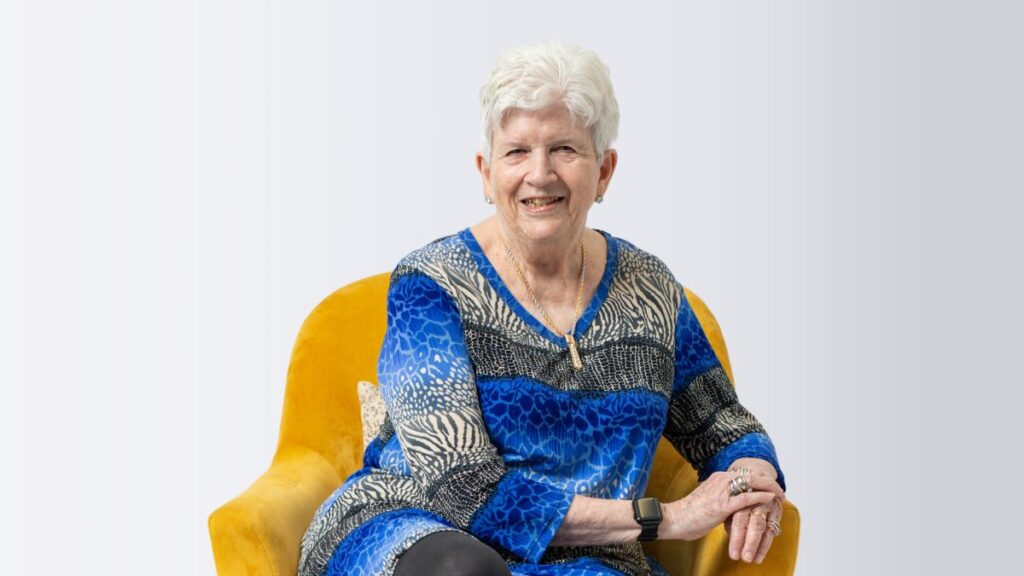
A Life Woven with Purpose — Dian’s Story
Dian Friedman has been a dedicated volunteer at The Village’s Suffield Second Chance Shop since 1973. For more than 50 years, the shop has been a central part of her daily life—a place of friendship, community and purpose.
It’s one of four volunteer-run Auxiliaries of The Village, alongside locations in Glastonbury, Simsbury and West Hartford. Together, the Auxiliaries have raised nearly ten million dollars to support vital services at The Village. As the Suffield shop approaches its 70th year in business, its legacy is deeply rooted in the dedication of volunteers like Dian, who have helped transform the lives of countless youth, adults and families over the years.
Dian has seen the shop evolve into a cornerstone of the community, offering high-quality, new and gently used items at affordable prices—all while supporting a meaningful cause. Her connection to The Village deepened through her husband Irving’s involvement with the Children’s Services Horse Show in Farmington, a fundraiser for The Village that also served as an Olympic qualifying event until the early 1990s, where she coordinated a fashion show fundraiser. When a friend suggested she become an Auxilian and use her love for fashion to help families in need, it was a natural fit.
I’ve been to The Village and seen all of the wonderful things that are being done there—and I understand, financially, how much money needs to come about to make it happen.
- Dian Friedman, Village Auxilian and Donor
As adoptive parents, Dian and Irving understood firsthand the importance of the services The Village provides. After Irving sadly passed away more than a decade ago, Dian established a fund to continue supporting youth for generations to come. She made a legacy donation in her and Irving’s honor by including The Village in her will—ensuring her impact would live on.
Dian has also contributed to The Village’s Centennial Campus Transformation Campaign, an initiative to renovate The Village’s 100-year-old 1680 Albany Avenue campus in Hartford and create comforting, healing spaces for children who visit or temporarily live there. Her gift will be memorialized with an engraved brick on the entrance of the renovated campus—a symbol of how Dian is helping build a strong foundation for children to heal, thrive and lead healthy, productive lives.
Financial Report
The Village Board and executive leadership are committed to safeguarding the agency’s assets and operating its programs in a cost-efficient manner with optimal results.
This dedication to fiscal oversight and a disciplined management style has enabled the organization to experience significant planned growth and commendation from regulators, funders and lenders.
The generosity of donors and the commitment of our staff have placed The Village in the top tier of fiscally strong non-profit providers.
About The Village
The Village was one of the first agencies in the country to provide homes for neglected children. Today, we continue to achieve our mission “to build a community of strong, healthy families who protect and nurture children” by providing a full range of behavioral health, early childhood and youth development, substance use treatment and support services for children, adults and families in the Greater Hartford, Connecticut region.
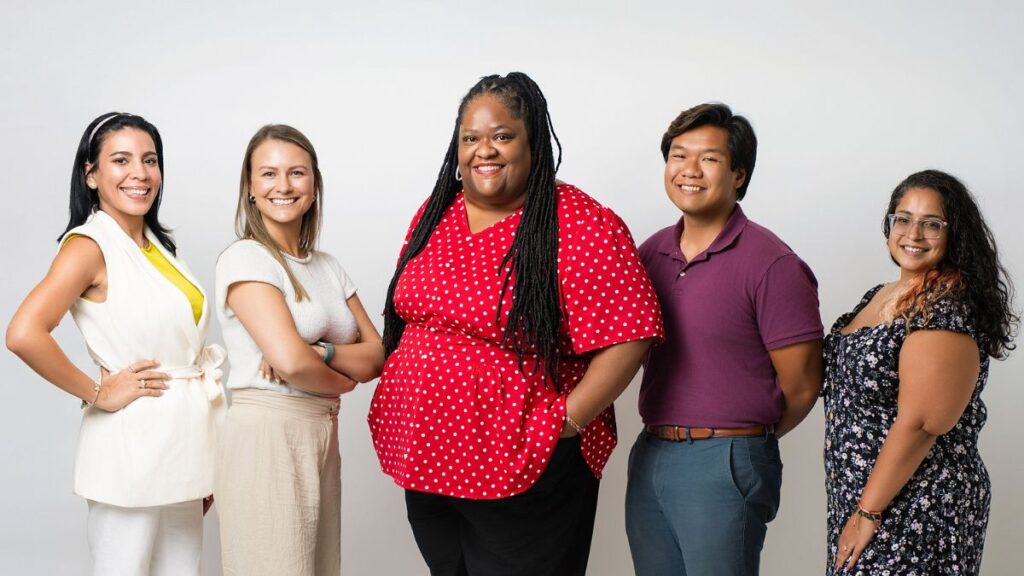
Proud to Be a Top Workplace
In 2025, The Village was named a Top Workplace by The Hartford Courant for the sixth consecutive year, an honor made possible by the energy and dedication of more than 600 employees.
The Village was also recognized as one of the best non-profit organizations to work for in the nation, earning a Top Workplace USA 2025 award with special recognition for innovation, leadership, and purpose
and values.
These awards are based on results from anonymous workplace surveys and show that our staff are mission-driven professionals who join in a commitment to diversity, learning and growth. “At The Village I feel optimistic that we’re building a better community,” shared Jonathan Singngam, foster care recruiter.
Every member of The Village team,
from child psychologists to parent educators, plays a vital role in helping children and adults from all walks of life overcome challenges and build strong, nurturing families.
I love The Village because they inspire me to grow.
- Nashaly Olivieri, Bilingual Family Support Specialist


Mission
To build a community of strong,
healthy families who protect
and nurture children.
Diversity Statement
The Village’s commitment to diversity extends beyond our words.
Diversity fuels our mission.
We believe that we are stronger and better when we actively include diverse people and thought to guide our practices and engagement with others. Through our diversity we learn fundamental truths, discover opportunities to create a more inclusive society, and enact real change.