Two of Connecticut’s leading behavioral health providers, Wellmore and The Village for Families & Children (The Village), merged Wednesday, marking a transformative new chapter for the state’s mental health system and enhanced support for more than 30,000 people across the state.
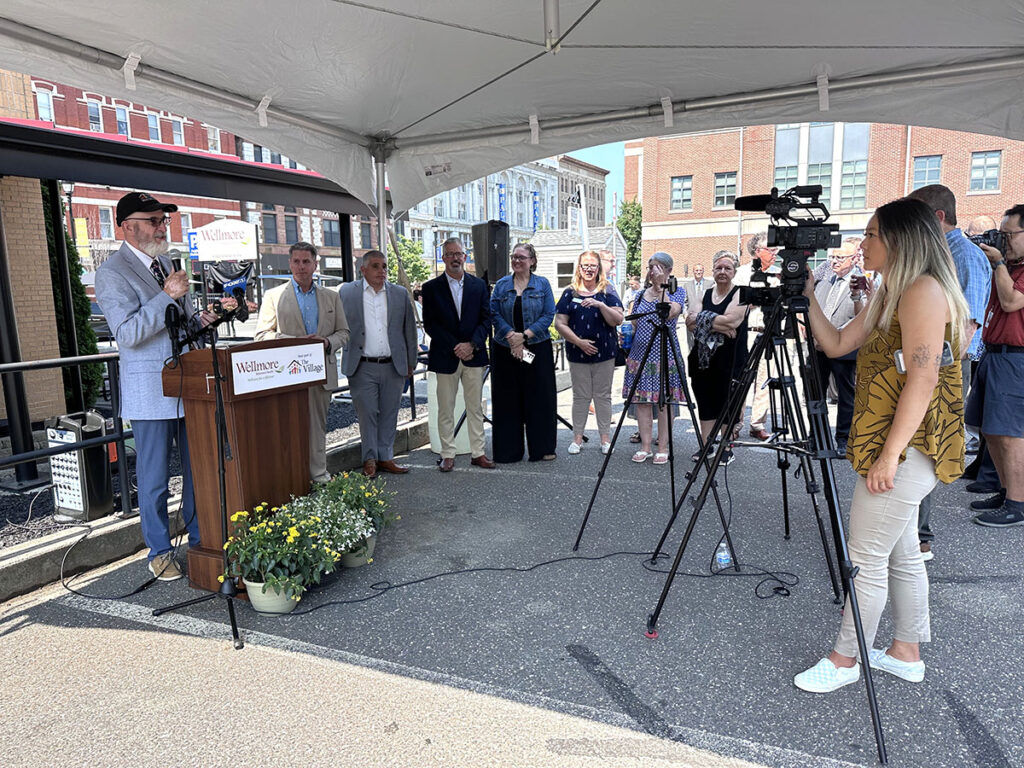
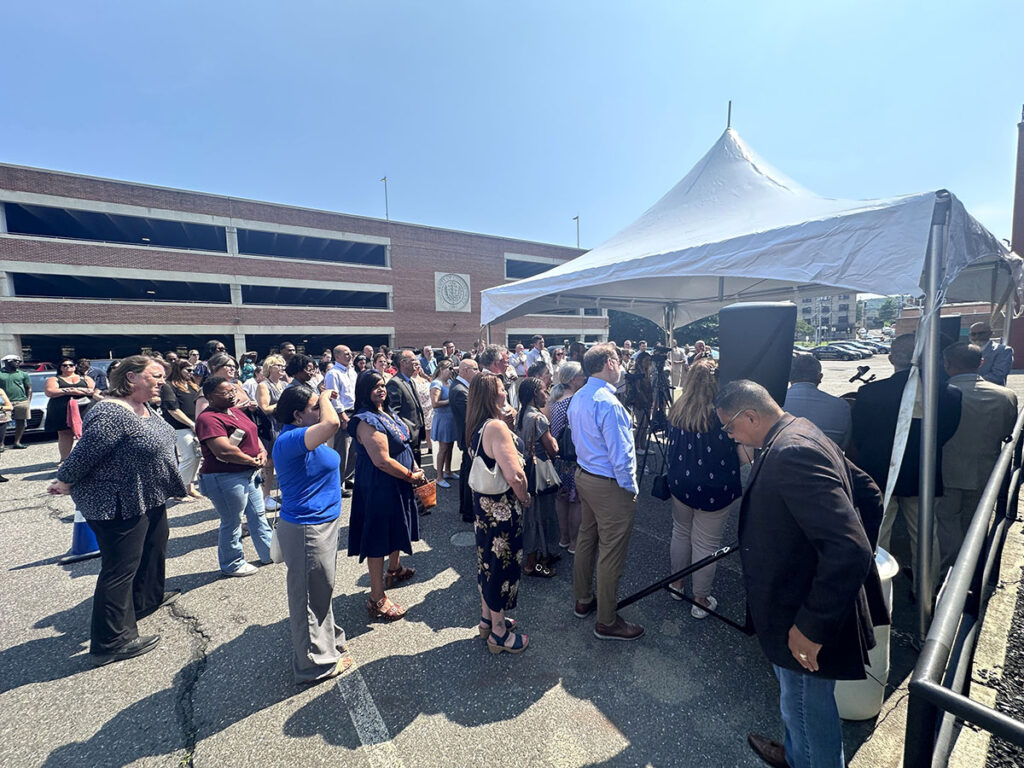
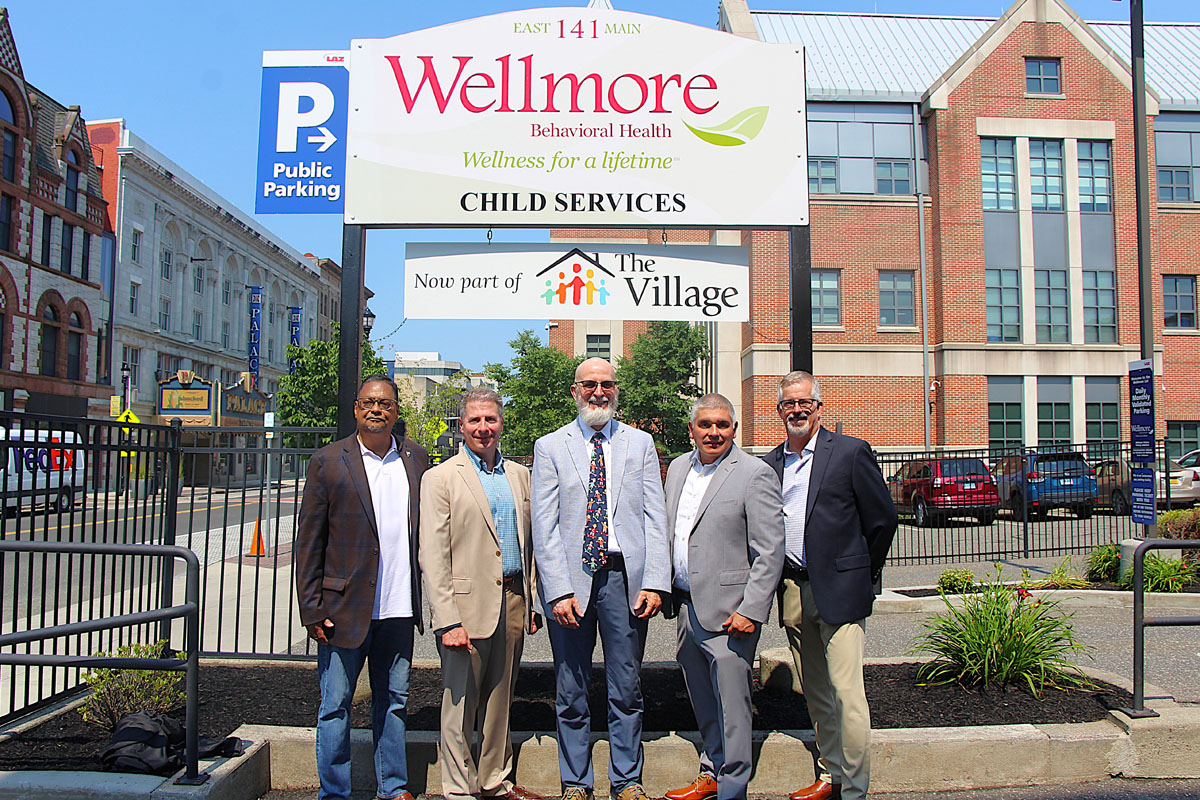
Leaders from both organizations gathered to mark the milestone, discuss its impact across Greater Waterbury, Greater Hartford and beyond, and unveil new signage symbolizing their newly unified future.
Combined, the organization will serve families in more than 100 cities and towns and bring together nearly 1,000 staff members, creating one of the region’s strongest behavioral health networks. The expanded scale and shared expertise position the organization to better meet the growing demand for mental health services across Connecticut.
“This merger represents a significant step forward in our ability to meet the increasing demand for behavioral health services across the regions we serve,” said Village President and CEO Hector Glynn. “It’s a win-win for both organizations and our clients. By working together, we are building a more comprehensive and connected system—one that capitalizes on what each of us does best, fosters shared learning and uses our combined resources to invest in programs that truly transform lives.”
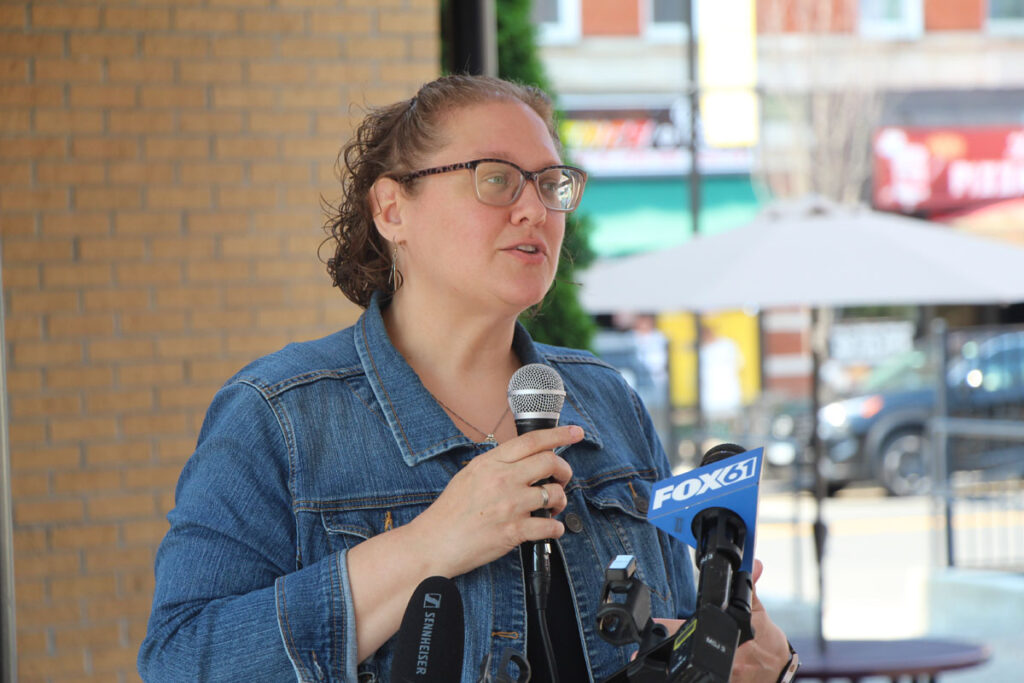
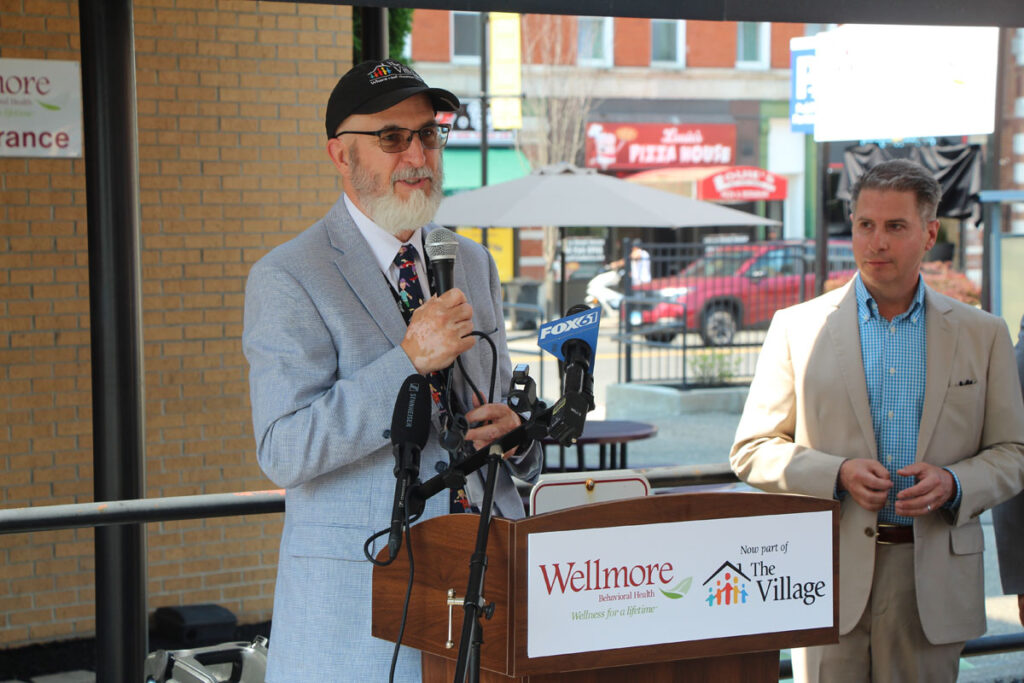
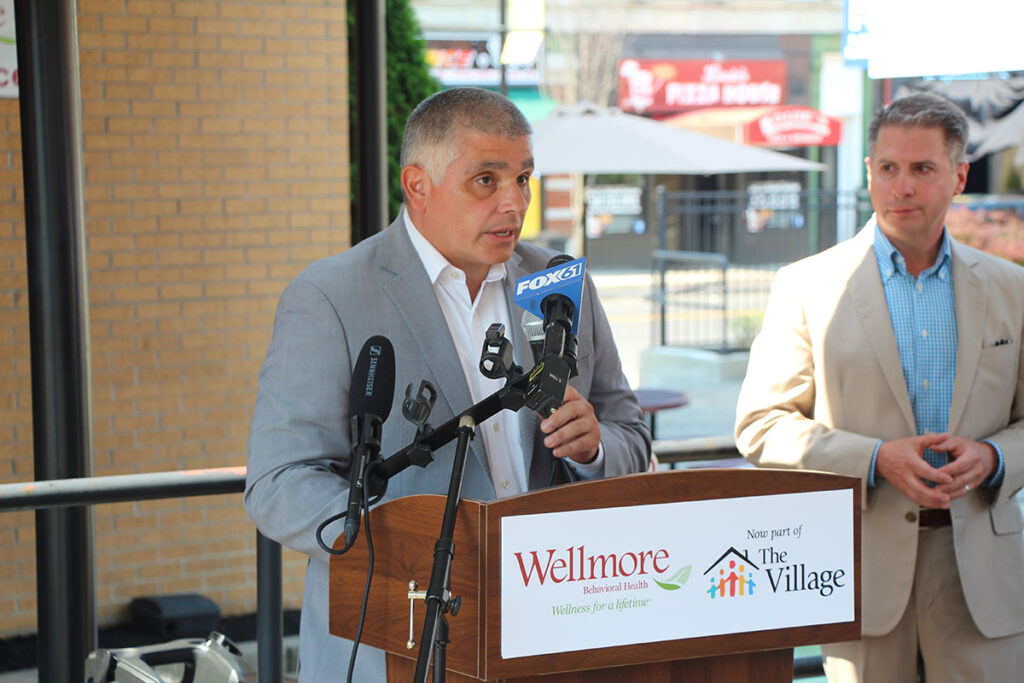
Glynn will remain The Village’s President and CEO. Wellmore’s President and CEO, Gary Steck, has become The Village’s Chief Impact Officer.
“Discerning our program and fiscal strength, our board stepped out of the traditional role of non-profits whereby you ‘go it alone’, choosing instead to find a partner that shared our values and mission beliefs so that we can grow together to help even more people in need in the future,” Steck said.
Dr. James F. Nardozzi, Chairman of Wellmore’s Board of Directors, added: “The board was unanimous in its decision that the merger with The Village was just the next step in providing expanded and better services to the community that we serve.”
The merger creates a more integrated behavioral health system, expanding access to services for children, adults and families across Connecticut. By combining resources and expertise, the unified organization will deliver a more coordinated response to the state’s growing mental health needs.
“We as legislators know that mental health is a real thing … and needs a lot of attention. This is a very important merger at this time for the City of Waterbury, and it’s a good opportunity for the state of Connecticut,” said State Representative Geraldo Reyes, Jr. “To The Village, welcome to the City of Waterbury and the 75th district.”
It also strengthens collaboration between two of the state’s three youth mental health Urgent Crisis Centers (UCCs)—one operated by The Village and another by Wellmore—helping ensure more seamless, timely access to care for children and teens in crisis while strengthening the state’s behavioral health safety net.
Wellmore and The Village’s programs are well aligned. Both non-profits are focused on mental and behavioral health and offer programs that, combined, provide the following:
- School readiness and early childhood education
- Home-based counseling, support for parents and caregivers
- Substance use prevention and recovery support
- Clinic-based and mobile crisis operations for youth
“Our organizations have known each other for quite some time because we’ve done a lot of work together,” said Village Board Chair Curt Cameron. “We’re so excited about this joining of forces and really look forward to what the future holds.”
Legal work and feasibility studies related to the merger have been made possible in part with support from SeaChange-Lodestar Fund for Nonprofit Collaboration. Wellmore, with history dating back to 1951, is one of the largest behavioral health providers in western Connecticut, serving 43 towns. It employs approximately 370 employees across 10 sites and serves about 10,000 clients annually. The Village, with a history spanning more than 200 years, is based in Hartford and serves individuals and families in more than 80 towns. It operates multiple sites across Greater Hartford and serves approximately 20,000 families each year.